

Als sachlicher Bewerter, der sich eingehend mit der Online-Glücksspielbranche auseinandersetzt, sehe ich Anbieter wie golisimo casino durch eine sachliche Brille: Sie haben die Aufgabe, nicht nur zu amüsieren, sondern auch Vertrauen aufzubauen, Vielfalt zu bieten und einen flüssigen, sicheren Service zu sicherstellen. Golisimo Casino stellt sich dar als eine solche Anlaufstelle für Spieler in Deutschland. Mein Gesamteindruck ist der einer Plattform, die gezielt auf ein globales Publikum zugeschnitten ist, ohne dabei heimische Bedürfnisse und behördliche Vorgaben außer Acht zu lassen. Die zentrale Frage, die ich kläre, ist, ob Golisimo Casino dieses Leistungsversprechen einlöst und tatsächlich als vertrauenswürdiges Tor zur Sphäre der digitalen Casinospiele dient. In dieser umfassenden Analyse werde ich die Spieleauswahl, Aktionsangebote, Bezahloptionen, Sicherheitsstandards, die mobile Erfahrung, den Support und den Gesamteindruck im Detail unter die Lupe nehmen, um Ihnen ein klares und fundiertes Bild zu liefern.
Ein erster Eindruck: Design, Navigation und Atmosphäre
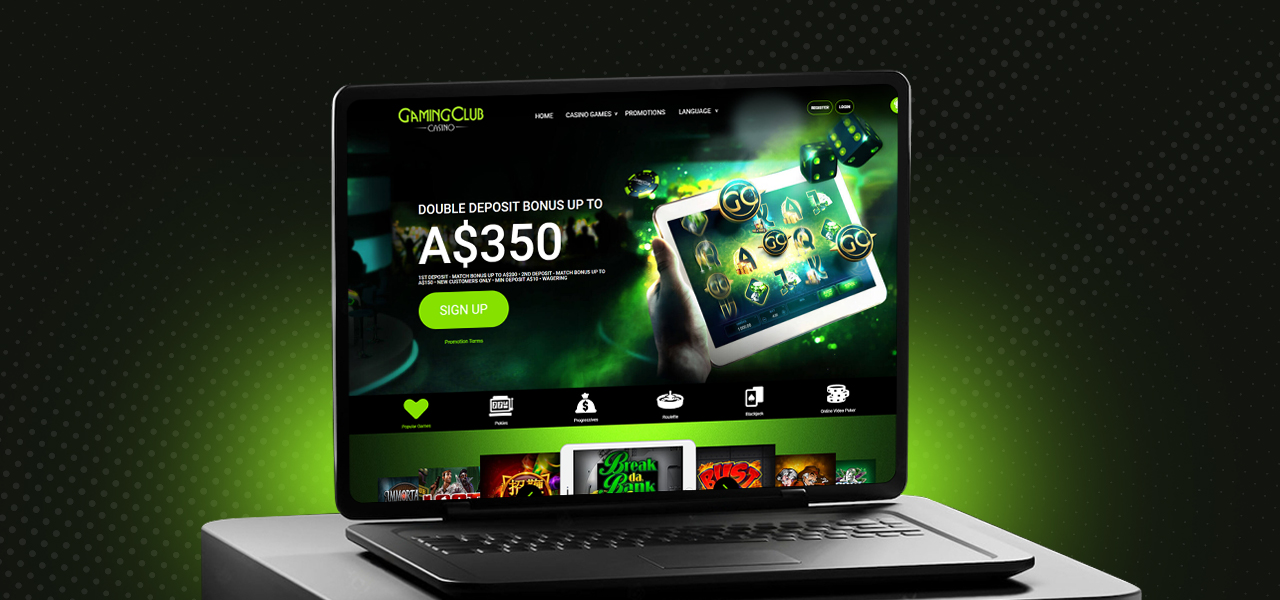
Der erste Besuch auf einer Casino-Website ist wichtig, und Golisimo Casino begreift dies. Das Design ist modern, aber nicht zu viel, mit einer dunklen, tiefblauen Farbpalette, die Ordnung und Fokus unterstützt. Die Navigation ist einfach angelegt; die Hauptkategorien wie Spielangebote, Boni und Ein- und Auszahlungen sind hervorgehoben angeordnet und reizen zum Entdecken ein. Was mir vor allem bemerkenswert ist, ist die der Mangel von aufdringlicher Werbung oder aufdringlichen Pop-ups, die den Spielfluss stören könnten. Stattdessen herrscht eine strukturierte und seriöse Atmosphäre, die sich glaubwürdig darstellt. Die Ladegeschwindigkeiten sind schnell, was auf eine gut verbesserte technische Struktur schließen lässt. Insgesamt gelingt es Golisimo Casino, mit seinem sauberen Interface unmittelbar eine glaubwürdige Grundlage zu etablieren. Der Fokus liegt eindeutig auf der Darstellung der Spiele und Angebote, ohne den Nutzer mit überflüssigen Elementen zu stören – ein Indiz für eine nutzerzentrierte Designphilosophie.

Registrierung und Anmeldung: Ein schneller Prozess
Die Route zum ersten Spiel ist schnell. Der Anmeldevorgang bei Golisimo Casino ist straff und auf das Nötige konzentriert. Er entspricht den standardmäßigen Vorgaben, die für deutsche Kunden erforderlich sind, und nimmt die notwendigen Informationen für die Überprüfung und Absicherung. Der komplette Ablauf benötigt nur wenige Momente, was ich als sehr angenehm finde. Es wird nicht mit zu vielen Formularfeldern oder verworrenen Schritten um sich bemüht. Nach der Freigabe der E-Mail steht dem Erkunden der Plattform im Demo-Modus oder nach einer ersten Zahlung unverzüglich nichts mehr im Weg. Diese Effizienz in der ersten User Journey ist ein bedeutender Pluspunkt, denn sie respektiert die Aufmerksamkeit des Kunden und verringert Frustrationsmomente, die bei unnötig schwierigen Anmeldeprozeduren oft vorkommen.
Die Spielbibliothek: Ein Paradies für Slots-Enthusiasten und darüber hinaus
Das Herzstück eines jeden Online-Casinos stellt dar sein Spielangebot, und an dieser Stelle vermag Golisimo Casino zweifellos glänzen. Die Auswahl zeigt sich groß und wird bestückt von einer beeindruckenden Anzahl bekannter Spieleentwickler wie NetEnt, Pragmatic Play, Play’n GO, Evolution und vielen weiteren. Der Schwerpunkt befindet sich eindeutig im Segment der Video-Slots, in dem eine Vielzahl von Spielen von traditionellen Fruchtautomaten bis hin zu modernen Megaways™-Slots mit aufwendigen Bonusrunden angeboten werden. Jedoch begrenzt sich die Plattform nicht allein auf Slots. Ein solider Bereich für Tischspiele existiert, mit zahlreichen Varianten von Blackjack, Roulette und Poker. Was den Gesamteindruck verbessert, bietet der Live-Casino-Bereich, der von Evolution und weiteren führenden Anbietern betrieben wird und ein echtes Casino-Feeling mit professionellen Dealern in Echtzeit bietet. Die Filter- und Suchfunktionen sind exzellent, wodurch man rasch nach Anbieter, Spieltyp oder neuen Veröffentlichungen ordnen kann.
Kernbereiche: Slots, Live-Dealer und Tischspiele
Im Spielangebot kann man eindeutige Schwerpunkte ausmachen. Die Slot-Auswahl präsentiert sich beeindruckend und wird laufend ergänzt. Für Anhänger von progressiven Jackpots finden sich ebenso spannende Optionen. Das Live-Casino-Angebot ist professionell umgesetzt, mit streamingschwachen Übertragungen in HD-Qualität und einer großen Vielfalt an Spielen, von Lightning Roulette bis zu Infinite Blackjack. Das Tischspiel-Angebot ist ordentlich, wenn auch etwas kleiner wie die Slot-Palette. Sie bietet dennoch alle gängigen Varianten ab und stellt bereit sowohl RNG- (Zufallszahlengenerator) als auch Live-Optionen. Besonders gut finde ich die Transparenz, bei der die Auszahlungsquoten (RTP) bei zahlreichen Spielen aufgeführt werden – ein wichtiges Detail für strategisch orientierte Spieler.
Handy-Erlebnis: Spielvergnügen mobil
In einer Zeit, in der Handy-Gaming dominierend ist, kann sich Golisimo Casino messen. Die Plattform ist komplett über den mobilen Browser angepasst und erfordert keine separaten App-Downloads. Die flexible Website passt sich reibungslos an die Displaygröße jedes Smartphones oder Tablets an. Die Leistung ist hervorragend; die Spiele laden zügig und laufen geschmeidig, sofern, man verfügt über eine zuverlässige Internetverbindung. Die mobile Benutzeroberfläche ist gut organisiert, wobei die wichtigen Funktionen wie Profilverwaltung, Transaktionen und der komplette Spielkatalog schnell erreichbar sind. Auch die Echtzeit-Dealer-Spiele arbeiten auf dem kleineren Display einwandfrei. Diese intelligente mobile Lösung bedeutet, dass Spieler ihr Lieblingsspiel zu jeder Zeit und von überall her genießen können, ohne an Funktionalität oder Güte einzubüßen.
Ein- und Auszahlungen: Schnell, abgesichert und vielfältig
Ein reibungsloser finanzieller Fluss ist die Seele eines top Online-Casinos. Golisimo Casino stellt eine große Palette an Zahlungsmethoden, die auf den deutschen Markt ausgerichtet sind. Dazu gehören gängige Optionen wie Kredit- und Debitkarten (Visa, Mastercard), E-Wallets (Skrill, Neteller), Prepaid-Karten (Paysafecard) und Banküberweisungen. Speziell hervorzuheben ist die Integration von bekannten lokalen Bezahldiensten, die den Bequemlichkeit für deutsche Spieler verbessern. Die Mindesteinzahlung ist niedrig angesetzt, was auch Gelegenheitsspielern den Start ermöglicht. Bei Auszahlungen sind die Abwicklungszeiten beachtlich. Während E-Wallet-Auszahlungen oft innerhalb von 24 Stunden verarbeitet werden, können Banktransaktionen einige Geschäftstage in Anspruch nehmen. Alle Transaktionen werden selbstredend mittels modernster SSL-Verschlüsselungstechnologie verschlüsselt.
Schutz und Verifizierung
Jede Auszahlung durchläuft einem routinemäßigen Sicherheitscheck, der die Identitäts- und Wohnsitzverifizierung (KYC) umfasst. Dieser Prozess ist regulatorisch vorgeschrieben und dient dem Schutz Parteien vor Betrug und Geldwäsche. Golisimo Casino verlangt in der Regel um die Vorlage eines Ausweisdokuments und einer aktuellen Wohnsitzbestätigung. Meine Einschätzung ist, dass dieser Prozess kompetent und diskret abgewickelt wird. Die klare Kommunikation darüber, welche Dokumente wann benötigt werden, trägt dazu bei, Verzögerungen zu reduzieren. Die Tatsache, dass das Casino eine offizielle Lizenz der Malta Gaming Authority (MGA) vorweisen kann, ist ein weiterer, wesentlicher Vertrauensanker, da diese Behörde zu den rigorosesten Regulierern weltweit zählt.
Support und Service: Service zur Stelle
Ein verlässlicher Kundensupport ist ein Indikator für die Glaubwürdigkeit eines Casinos. Golisimo Casino offeriert mehrkanalige Unterstützung an. Der Chat ist die flotteste und wirksamste Methode und ist jederzeit verfügbar. In meinen Testanfragen waren die Agents stets unverzüglich, zuvorkommend und fachkundig in ihrer Problembehebung. Für weniger dringende Anliegen steht ein E-Mail-Support zur Verfügung. Darüber hinaus hat die Website über einen großen FAQ-Bereich, der zahlreiche häufiger Fragen zu Konten, Boni, Zahlungen und Spielen beantwortet. Dieser Selbsthilfe-Bereich ist übersichtlich und kann viele Anliegen bereits im Vorfeld beantworten, was für alle Zeit spart. Das insgesamt professionelle und zugängliche Support vervollständigt den positiven Serviceeindruck ab.
Bewusstes Spielen
Ein wesentlicher Aspekt, den ich in jeder Bewertung einfließen lasse, ist die Hingabe des Casinos für verantwortungsvolles Spielen. Golisimo Casino bietet eine Reihe von Werkzeugen, die Nutzer nutzen können, um ihr Spielverhalten unter Kontrolle zu halten. Dazu gehören die Fähigkeit, Einzahlungslimits, Verlustlimits oder Sitzungszeitlimits festzulegen. Es gibt auch Optionen für eine temporäre Spielsperre (Cool-Off) oder eine dauerhafte Selbstausschlussmöglichkeit. Links zu professionellen Hilfsorganisationen sind ebenfalls auffällig platziert. Diese Maßnahmen demonstrieren, dass das Casino seine soziale Verantwortung ernst nimmt und Spieler dabei bestärkt, innerhalb geschützter Grenzen zu agieren.
Angebote und Werbeaktionen: Ein verlockender Empfangsbonus
Golisimo Casino kennt, wie man neue Spieler willkommen heißt. Das Willkommenspaket ist reizvoll strukturiert und erfolgt über die ersten Einzahlungen, was die Spielbankroll erheblich vergrößern kann. Die Umsatzbedingungen (WR) sind eindeutig kommuniziert und liegen im üblichen Rahmen, was für Durchsichtigkeit sorgt. Neben dem Neukundenbonus gibt es ein regelmäßig überarbeitetes Angebot an Promotionen, darunter Reload-Boni, Freispiel-Aktionen und Turniere mit reizvollen Preisgeldern. Ein spezielles Gewicht liegt auf dem Treueprogramm, bei dem Spieler für ihre Einsätze Punkte sammeln und in verschiedene Status-Levels aufsteigen können. Höhere Level bringen bessere Konditionen, persönlichere Boni und andere Vorteile mit sich. Es ist ein System, das dauerhaftes Engagement belohnt. Ich rate jedoch stets dazu, die entsprechenden Bonusbedingungen genau zu lesen, um die Anforderungen vollständig zu verstehen.
Die Relevanz der Bonusbedingungen
Ein umsichtiger Umgang mit Boni ist grundlegend. Bei Golisimo Casino sind die wesentlichen Konditionen wie Umsatzanforderungen, Beitragssätze der verschiedenen Spiele zur Erfüllung dieser Anforderungen (Slots zählen meist 100%, während Tischspiele weniger beitragen) und höchste Einsätze unter Boni leicht verfügbar dokumentiert. Diese Klarheit ist zu schätzen, da sie Unklarheiten vermeidet. Spieler sollten sich insbesondere die Zeitlimits für die Erfüllung der Umsatzbedingungen und eventuelle Spieleinschränkungen anschauen. Meine Analyse ergibt, dass Golisimo Casino hier keine außergewöhnlich restriktiven oder irreführenden Bedingungen aufstellt, sondern sich an gerechten, marktüblichen Standards ausrichtet.
Fazit: Ein überzeugendes Gesamtpaket für den deutschen Markt
Nach intensiver Prüfung aller relevanten Bereiche komme ich zu einem eindeutigen Urteil: Golisimo Casino repräsentiert tatsächlich ein überzeugendes Tor zur Welt des Online-Glücksspiels für Spieler in Deutschland dar. Es punktet durch eine beeindruckende und qualitativ hochstehende Spielauswahl von Top-Anbietern, ein ausgewogenes und verlockendes Bonusprogramm, eine vielfältige Auswahl an vertrauenswürdigen Zahlungsmethoden und eine erstklassige mobile Erfahrung. Die professionelle Lizenzierung der Malta Gaming Authority und der starke Fokus auf verantwortungsbewusstes Spielen schaffen ein geschütztes Umfeld. Während es, wie jede Plattform, geringfügige Verbesserungspunkte geben mag, dominieren die Stärken deutlich. Golisimo Casino bietet ein rundum gediegenes, kurzweiliges und risikofreies Spielerlebnis, das gleichermaßen für Neulinge als auch für versierte Spieler attraktiv ist.
Zusammenfassend lässt sich sagen, dass Golisimo Casino seine Hauptversprechen einlöst. Es vereint eine umfangreiche Unterhaltung mit den erforderlichen Sicherheits- und Service-Standards, die deutsche Spieler zu Recht erwarten. Die Plattform ist wohlüberlegt, anwenderfreundlich und konzentriert sich auf das Wesentliche: einen fesselnden und ausgewogenen Spielspaß. Für jeden, der auf der Suche nach einem alternativen, renommierten Online-Casino mit internationalem Flair ist, stellt Golisimo Casino eine überaus lohnenswerte Option dar, die es wert ist, entdeckt zu werden.
![VINGROUP | V-GLORYTHM YEP [Concept] :: Behance](https://mir-s3-cdn-cf.behance.net/project_modules/fs/444da0197619855.663378ae45ab2.png)